

A Tanzania safari is already an unforgettable experience, but witnessing the Great Migration takes wildlife travel to another level. Every year, enormous herds of wildebeest, zebras, and gazelles move through the Serengeti ecosystem in search of fresh grass and water.
For first-time travelers, planning a Great Migration Safari can feel confusing. The migration is not a single event that happens in one place on one specific day. It is a continuous natural cycle that moves through different parts of the Serengeti throughout the year.
Knowing where the herds are likely to be, choosing the right season, and selecting the right safari area can make a major difference to your experience.
What Is the Great Migration?
The Great Migration is one of Africa’s most remarkable wildlife spectacles.
More than two million wildebeest, together with large numbers of zebras and gazelles, move across the Serengeti ecosystem as they search for nutritious grass and water. The movement is influenced heavily by rainfall and changing pasture conditions.
The journey involves long-distance movement across open plains, river crossings, calving areas, and predator-rich landscapes.
For travelers, this means that a Great Migration Safari can offer completely different experiences depending on the time of year.
Why Choose Tanzania for the Great Migration?
Tanzania is home to the Serengeti, one of the most important areas of the Great Migration ecosystem.
The Serengeti’s enormous grasslands provide an incredible setting for observing wildlife. In addition to the migrating herds, travelers can encounter lions, leopards, elephants, buffalo, rhinos, cheetahs, hyenas, hippos, giraffes, and many other species.
The Northern Serengeti is particularly important during parts of the migration when herds move toward the Mara River and the Kenya-Tanzania border region.
This combination of migrating animals and resident wildlife makes Tanzania an excellent destination for first-time safari travelers.
When Is the Best Time for a Great Migration Safari?
There is no single “best” month for the entire migration because the herds are constantly moving.
Different periods offer different experiences.
January to March: Calving Season
During the early months of the year, the migration is associated with the southern Serengeti and Ndutu area.
This period is known for calving, when large numbers of wildebeest give birth.
The abundance of young animals also attracts predators, making this an exciting time for wildlife viewing.
April to June: Moving Toward the Western Serengeti
As the season changes and grass conditions develop, the herds begin moving north and west.
The Western Corridor can become an important part of the migration route during this period.
Travelers may experience large herds, dramatic landscapes, and predator activity along the way.
July to October: Northern Serengeti and River Crossings
For many travelers, this is the most famous period of the Great Migration.
The herds move toward the Northern Serengeti and the Mara River area.
River crossings can be dramatic, with wildebeest gathering at the water before making their way across. However, crossings are natural events and cannot be guaranteed on a particular day.
Freeingo’s current five-day fly-in itinerary from Zanzibar focuses on Kogatende and Northern Serengeti, with game drives designed around the migration and potential Mara River crossing opportunities.
November to December: Returning South
Later in the year, the herds begin moving south again as rainfall creates fresh grazing opportunities.
This completes another part of the migration cycle and prepares the herds for the following calving season.
Northern Serengeti: A Key Migration Destination
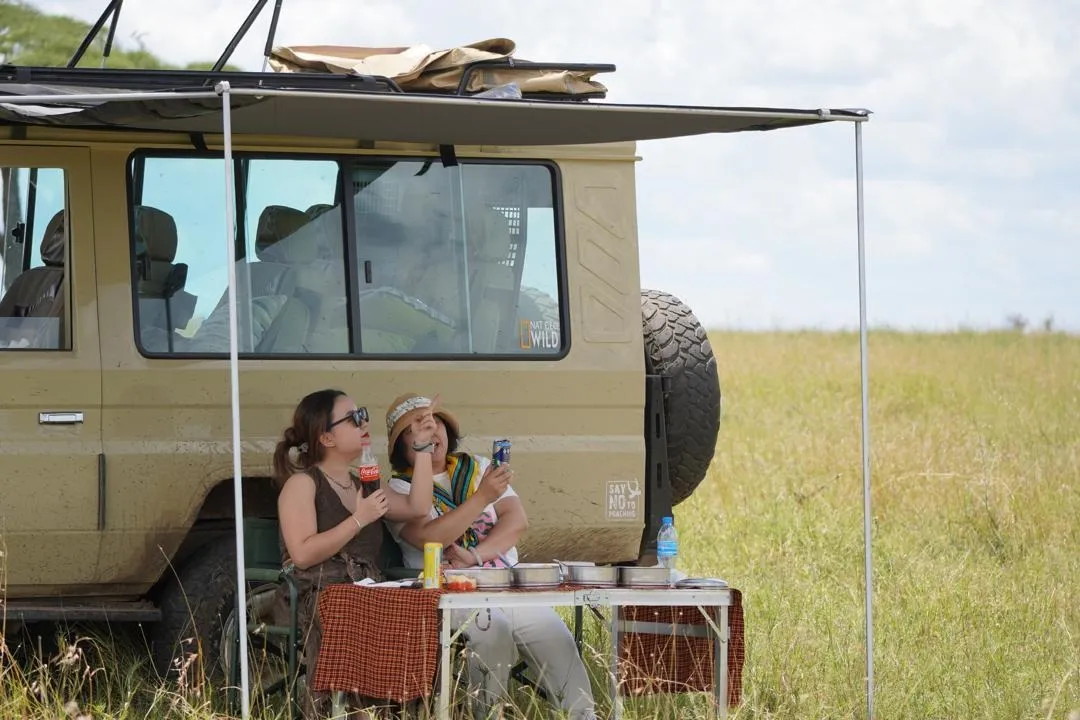
Northern Serengeti is one of the most exciting areas for travelers hoping to experience the migration.
The region is relatively remote compared with some other parts of the Serengeti, and it offers dramatic scenery, abundant wildlife, and access to areas around the Mara River.
Kogatende is particularly associated with migration-focused safari experiences.
During the right season, travelers may see large herds gathering around river areas while predators wait nearby.
The experience is not only about seeing a river crossing. The anticipation, movement of the herds, sounds of thousands of animals, and surrounding wildlife all contribute to the atmosphere.
What Can You See During a Great Migration Safari?
The migrating wildebeest are the main attraction, but they are far from the only wildlife you can see.
Wildebeest
Wildebeest form the largest part of the migrating herds.
Watching thousands of animals spread across the plains is one of the most impressive sights in Tanzania.
Zebras
Zebras travel alongside wildebeest and are an important part of the migration ecosystem.
Their presence adds variety to the enormous herds moving across the grasslands.
Lions
Where there are large concentrations of herbivores, predators are never far away.
Lions are commonly encountered in the Serengeti and may be seen resting near migration routes or watching herds from the grasslands.
Leopards
Leopards are more difficult to find because they are solitary and often spend time in trees or areas with dense vegetation.
An experienced safari guide can be extremely helpful when searching for these elusive cats.
Cheetahs and Hyenas
Cheetahs can often be found in open areas where their speed gives them an advantage.
Hyenas are also an important part of the Serengeti ecosystem and can be seen around areas with abundant prey.
The Mara River Crossing
The Mara River crossing is one of the most famous moments associated with the Great Migration.
When the herds reach the river, thousands of animals may gather along the banks. Eventually, some begin entering the water and crossing toward the opposite side.
The crossing can be unpredictable.
The animals may wait for hours or even days before deciding to cross. This is why a good safari itinerary should allow enough time in the region rather than relying on a short visit.
It is also important to understand that nature does not follow a schedule. A safari operator can position you in a promising area, but nobody can guarantee exactly when or where a crossing will happen.
Why a Safari Guide Matters
A knowledgeable local guide can make a significant difference during a migration safari.
The Serengeti is enormous, and finding wildlife requires knowledge of animal behavior, seasonal conditions, roads, recent sightings, and local geography.
A good guide can help you understand why the herds are moving and where wildlife activity may be developing.
They can also help you appreciate the smaller details, from tracks in the soil to bird calls and predator behavior.
Fly-In Great Migration Safari From Zanzibar
Travelers who are already visiting Zanzibar do not necessarily need to return to mainland Tanzania before starting their safari.
A fly-in safari can connect Zanzibar with the Serengeti, making it possible to combine a beach holiday with a wildlife adventure.
Freeingo’s 5 Days Great Migration Fly in from Zanzibar itinerary is designed around this concept. The itinerary begins with a flight from Zanzibar to Kogatende, followed by migration-focused game drives in Northern Serengeti before continuing through the Serengeti and Ngorongoro areas.
This can be a convenient option for travelers who want to experience both Tanzania’s beaches and its famous wildlife without spending unnecessary time traveling by road.
Combine the Great Migration With Ngorongoro
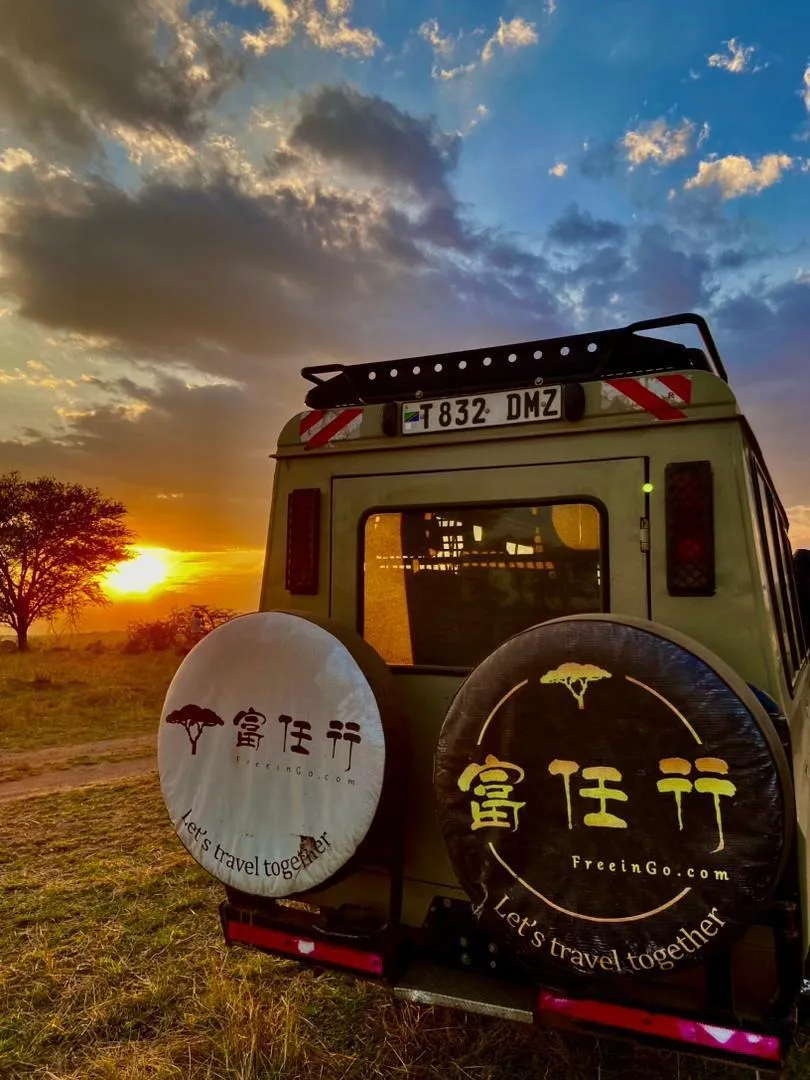
A Great Migration safari can also be combined with the Ngorongoro Crater.
After exploring the Serengeti, travelers can descend into the crater for another exceptional wildlife experience.
Ngorongoro is known for its high concentration of wildlife, including lions, elephants, buffalo, rhinos, zebras, wildebeest, hippos, and numerous other species.
This combination allows travelers to experience both the large-scale movement of the migration and the concentrated wildlife viewing of the crater.
What Should First-Time Travelers Expect?
A first-time safari is very different from visiting a conventional tourist attraction.
You will spend significant amounts of time outdoors and may have early morning starts. Game drives can involve several hours on safari vehicles while searching for wildlife.
Some days may provide multiple spectacular sightings, while other days may be quieter.
Patience is part of the experience.
The reward is that wildlife encounters happen naturally, without schedules or guarantees.
What Should You Pack?
For a Great Migration Safari, practical clothing is more important than having a large wardrobe.
Consider packing:
- Lightweight, comfortable clothing
- A warm layer for early morning drives
- Comfortable walking shoes
- Sunglasses
- Sunscreen
- A wide-brimmed hat
- Binoculars
- Camera and spare batteries
- Extra memory cards
- Personal medication
- A reusable water bottle
Neutral-colored clothing is generally practical for safari because it blends well with the natural environment.
Is a Great Migration Safari Suitable for First-Time Travelers?
Absolutely.
You do not need previous safari experience to enjoy the Great Migration.
In fact, the scale of the Serengeti and the incredible concentration of wildlife can make it an excellent introduction to African safari travel.
The most important things are choosing an appropriate season, allowing enough time in the right region, and working with an experienced safari operator.
How Long Should a Great Migration Safari Be?
The ideal length depends on your travel plans and the part of the migration you want to experience.
A shorter safari can work well for travelers combining Tanzania with Zanzibar or another destination.
Longer itineraries provide more time to explore different parts of the Serengeti and increase your chances of encountering different wildlife experiences.
For travelers arriving from Zanzibar, a five-day itinerary can provide a focused migration experience while also including the Serengeti and Ngorongoro.
Why Choose a Private Great Migration Safari?
A private safari can provide more flexibility than a fixed group itinerary.
You can spend more time at a wildlife sighting when conditions are interesting, adjust the pace of your game drives, and discuss your interests directly with your guide.
This can be particularly valuable during the migration because wildlife movements are unpredictable.
Instead of rushing from one location to another, you can have more flexibility to enjoy the experience.
Responsible Great Migration Tourism
The Great Migration is a natural event involving millions of animals, and responsible tourism is important.
Visitors should follow park regulations, maintain appropriate distances from wildlife, avoid disturbing animals, and listen carefully to their guides.
During river crossings, vehicles should also follow designated routes and responsible viewing practices.
The goal is to experience the migration while protecting the ecosystem that makes it possible.
Plan Your Great Migration Safari With Freeingo Safaris
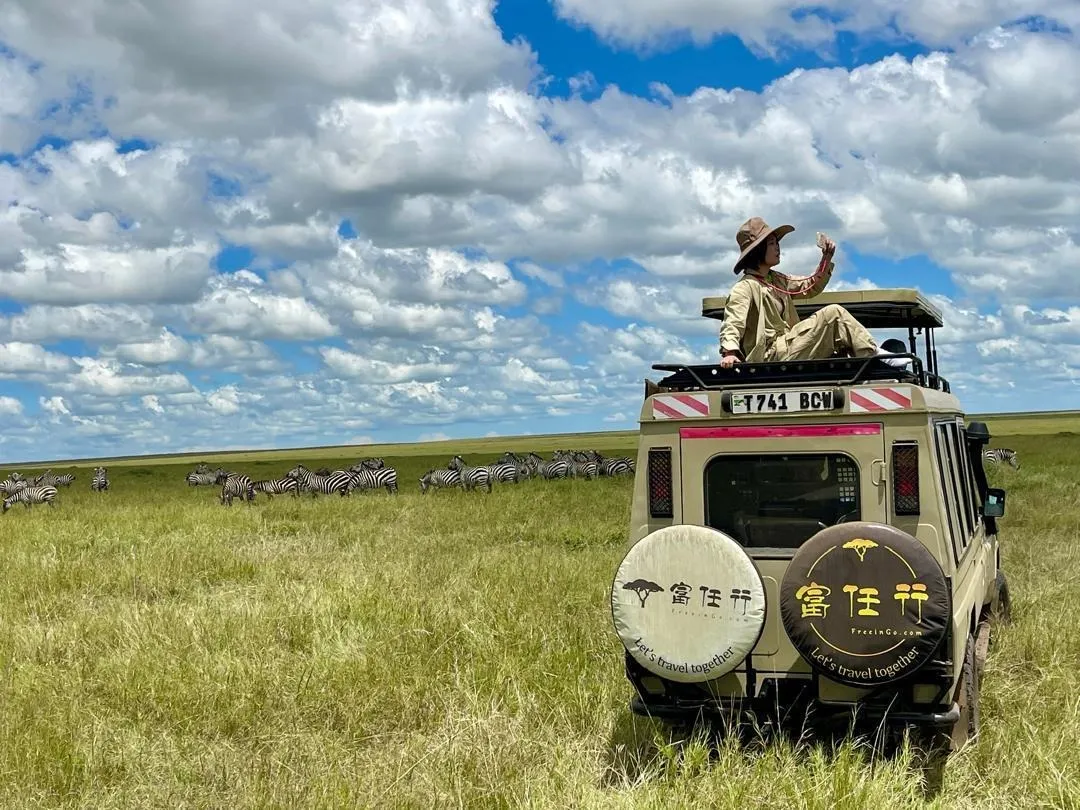
If you are planning your first Great Migration Safari, choosing the right local safari operator can make the journey easier and more enjoyable.
Freeingo Safaris offers Tanzania safari experiences with knowledgeable guides, comfortable accommodation, reliable transportation, and tailored travel arrangements. The company’s Great Migration itinerary can be combined with destinations such as Northern Serengeti and Ngorongoro, depending on the season and travel plan.
For travelers coming from Zanzibar, the 5 Days Great Migration Fly in from Zanzibar itinerary provides a convenient way to connect a Zanzibar beach holiday with a Northern Serengeti migration experience.
You can explore the Great Migration Safari itinerary with Freeingo Safaris and plan your trip around your preferred travel dates and safari interests.
Final Thoughts
A Great Migration Safari is more than simply watching wildebeest move across the Serengeti.
It is about experiencing one of nature’s greatest journeys, from enormous herds crossing open plains to dramatic river crossings and intense predator encounters.
For first-time travelers, the key is understanding that the migration changes throughout the year. Choosing the right season and location can help you experience the part of the journey that interests you most.
Whether you fly in from Zanzibar or begin your adventure on mainland Tanzania, a well-planned safari can combine the Great Migration with the Serengeti’s incredible resident wildlife and the spectacular Ngorongoro Crater.
With the right timing, a knowledgeable guide, and enough time to explore, your first Great Migration Safari can become one of the most memorable wildlife experiences of your life.
