
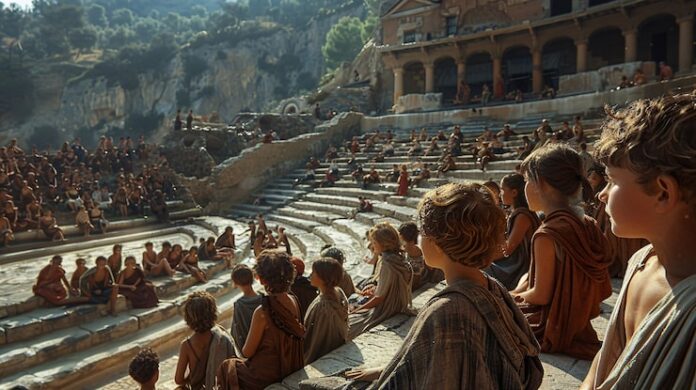
In Greece, every road feels like a thread tied to myth. The landscapes – olive-green hills, sunlit harbors, marble ruins standing against blue horizons – seem to hum with memory. To travel here isn’t just to move through space but through time. The same roads that now carry buses and bicycles once echoed with the footsteps of traders, philosophers, and poets. Ancient Greece wasn’t just a cradle of ideas; it was a web of routes that connected the Aegean to the wider world – where olive oil, wine, marble, and stories flowed like lifeblood between ports and valleys.
Today, those paths still exist, woven into the modern countryside. Following them is to discover how history continues to breathe beneath the dust of progress. The roads from Athens to Delphi, from Corinth to Olympia, or from Thessaloniki toward the northern frontiers each tell their own story – of exchange, resilience, and imagination. Exploring these landscapes through Greece all-inclusive packages lets travelers step back into an age where commerce and culture were inseparable, where every journey was a dialogue between gods and mortals. For those seeking both history and leisure, Greece vacation packages blend these routes with sun-drenched islands and timeless coastlines, creating a journey that unites myth with modern comfort.
Well-crafted Greece vacation packages connects ancient wonder with contemporary life – temple ruins alongside village tavernas, amphitheaters beside vineyards. Some travel experiences, carefully designed by curators such as Travelodeal, invite you to walk these mythic miles slowly – pausing at forgotten ruins, tasting wines grown on the same soil as Homer’s heroes, and tracing the same coastlines that once defined the edge of the known world. It’s not just sightseeing; it’s story-following – a pilgrimage across both geography and time.
From Olive Groves to Marble Roads
The Peloponnese remains one of the most evocative regions for travelers chasing the echoes of ancient trade. Its hills and valleys once formed the arteries of a civilization that valued craftsmanship and curiosity as much as conquest. Roads paved with marble slabs once connected Sparta to Corinth, carrying amphorae of oil and wine toward bustling ports.
Even now, the scent of olives fills the air, and the rhythm of farming hasn’t changed much in millennia. Small villages like Kalamata and Nafplio still host markets where you can feel that same ancient pulse – trade as an act of connection, not competition.
The Oracle’s Road: Athens to Delphi
No route in Greece feels more charged with mystique than the road to Delphi. Once believed to be the center of the world, this sacred mountain sanctuary drew travelers from every corner of the ancient world seeking prophecy and wisdom.
Driving this route today, the terrain feels almost theatrical – winding roads cut through pine forests, with sudden openings that reveal vast, shimmering valleys below. Delphi itself, nestled beneath Mount Parnassus, still radiates that ancient serenity. The stones are worn smooth by centuries of footsteps, but the silence between them feels alive – a whisper from the gods.
Northern Routes: The Macedonian Legacy
In the north, where Alexander the Great once marched toward destiny, trade routes connected Greece with the Balkans and Asia. Thessaloniki, the city he left behind, remains one of Greece’s most vibrant crossroads – a blend of Roman ruins, Byzantine mosaics, Ottoman influences, and modern street life.
Markets here hum with energy, just as they did thousands of years ago. Vendors call out prices for olives, honey, and handmade textiles; students sip coffee beside ancient arches. This seamless mix of eras is Greece’s greatest gift – a reminder that history isn’t past; it’s layered.
Islands of Exchange
Greece’s islands, too, were crucial stops along ancient maritime routes. Crete, Rhodes, and Lesvos once bridged Europe, Asia, and Africa, becoming melting pots of trade and culture. On these shores, merchants bartered spices and silk while sailors shared myths that would outlive them all.
Even now, the ports retain that spirit of openness. The air carries not just salt but story – a sense of belonging to something vast and ancient, yet still unfolding.
Final Thought
To follow Greece’s ancient trade routes is to follow the origins of exchange – not just of goods, but of ideas, art, and faith. The roads may have changed, but their purpose endures: connection.
As the sun dips over olive groves and marble ruins, you realize the journey isn’t about reaching the past – it’s about recognizing how deeply it still shapes the present. Greece doesn’t just preserve history; it lives it, step by mythic step.
